Devon Schröder · 18 November 2026
Analyzing Fuel Alternatives for Traditional Port Signal Lights in Developing Coastal Economies
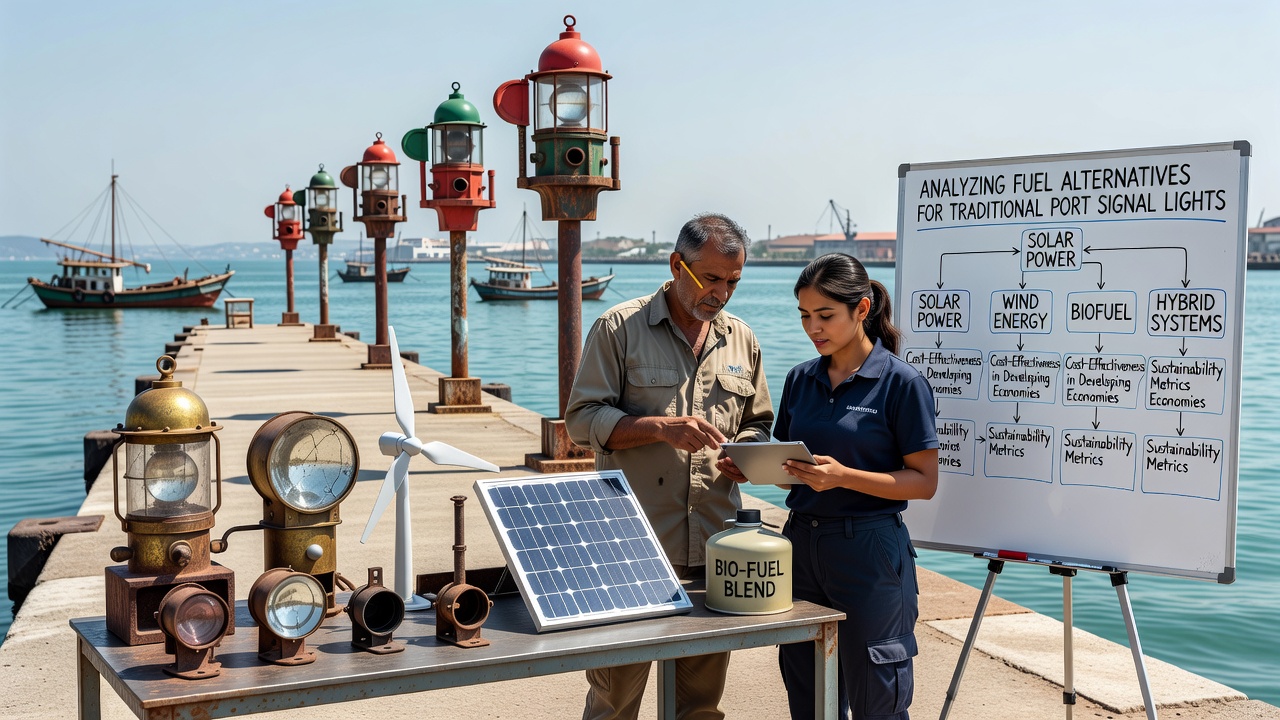
Traditional port signal lights in developing coastal economies have long depended on kerosene and diesel fuels to maintain navigation safety along busy waterways and remote harbors, where consistent power infrastructure often remains limited. These fuels deliver steady performance in harsh marine environments yet create recurring expenses for fuel procurement and maintenance that local port authorities must manage within tight budgets. Data from regional maritime assessments reveal that many facilities in parts of Southeast Asia and West Africa continue to operate hundreds of such lights daily, consuming thousands of liters of liquid fuel each month.
Current Reliance on Liquid Fuels and Associated Patterns
Observers note that kerosene remains the dominant choice for many isolated signal installations because it ignites easily and withstands high humidity without specialized equipment. Diesel variants appear in larger installations where brighter output is required for commercial shipping lanes. Both options require regular deliveries by boat or truck, which exposes supply chains to weather disruptions and price fluctuations tracked by global energy markets. Studies compiled by the International Energy Agency show that fuel costs can represent up to 40 percent of annual operating budgets for smaller ports in low-income nations.
Emissions from continuous burning add measurable particulate matter and carbon dioxide near coastal communities, although exact quantities vary by maintenance schedules and lantern design. Port operators in these regions report that older lanterns often suffer from soot buildup, which reduces light intensity and necessitates frequent cleaning. This cycle increases labor demands while diverting resources from other infrastructure needs.
Evaluating Solar Photovoltaic Systems as Primary Alternatives
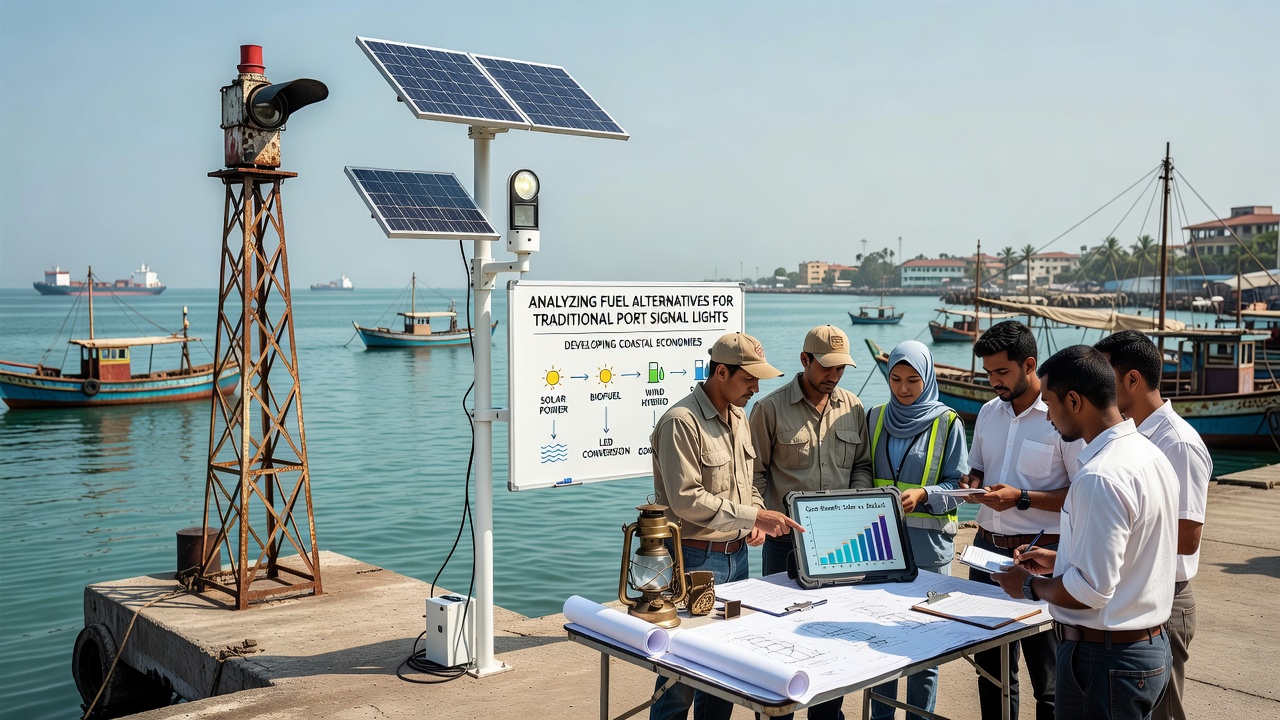
Solar photovoltaic panels paired with LED emitters have entered testing phases in several coastal districts, offering zero fuel consumption after initial installation. Panels mounted on existing lantern towers capture sufficient sunlight in equatorial zones to power lights through the night, with battery storage handling cloudy periods. Field data collected in 2025 across Ghanaian and Indonesian harbors indicate that properly sized systems maintain visibility standards comparable to kerosene models while eliminating daily refueling trips.
Initial capital outlays remain higher than traditional setups, yet lifecycle analyses from multiple port authorities demonstrate payback periods between four and seven years when fuel savings and reduced maintenance are factored in. Battery technology improvements have lowered replacement frequency, although tropical heat and salt corrosion still require protective enclosures rated for marine conditions. Technicians in these projects emphasize the need for local training programs so communities can handle routine cleaning and basic troubleshooting without external contractors.
Biofuel Blends and Small-Scale Wind Integration
Some facilities have begun experimenting with biofuel blends derived from local agricultural waste such as coconut husks or palm oil residues, which burn in modified lanterns with lower smoke output than pure kerosene. Pilot programs in the Philippines documented stable combustion when blends stay below 30 percent biofuel content, although higher ratios sometimes cause clogging in older wicks. These fuels reduce import dependence yet demand consistent feedstock collection networks that are still developing in many rural areas.
Small wind turbines mounted alongside signal towers appear in locations with steady coastal breezes, supplementing solar arrays during low-light seasons. Combined renewable setups in parts of the Caribbean have recorded uptime rates above 95 percent according to project reports shared at regional maritime meetings. Engineers note that hybrid controllers prevent overcharging while balancing output between wind and solar inputs, though initial calibration requires site-specific wind data collected over at least one full year.
Economic and Logistical Considerations Across Regions
Cost comparisons compiled by port management agencies in East Africa and the Pacific islands highlight that renewable conversions cut annual operating expenses by 60 to 75 percent once systems stabilize. Spare parts for solar components have become more accessible through regional suppliers, although shipping delays during monsoon seasons can still affect repair timelines. Financing models involving multilateral development funds have supported several conversions, spreading payments over extended periods tied to verified energy savings.
Training programs run by national maritime agencies in November 2026 focused on equipping local technicians with diagnostic tools for both renewable and legacy systems. These sessions addressed common failure points such as corroded connections and battery sulfation, which occur frequently in saline environments. Participants from multiple countries exchanged practical solutions for sourcing affordable replacement batteries through bulk purchasing agreements.
Conclusion
Ports in developing coastal economies continue to weigh fuel alternatives against reliability requirements and available funding streams. Solar LED conversions paired with selective biofuel or wind additions show measurable reductions in recurring costs and emissions according to ongoing monitoring. Continued data collection through 2027 will clarify long-term durability across varied climate zones, while regional cooperation on spare parts and training supports broader adoption where traditional fuel logistics remain challenging.