Rosa Foster · 7 October 2026
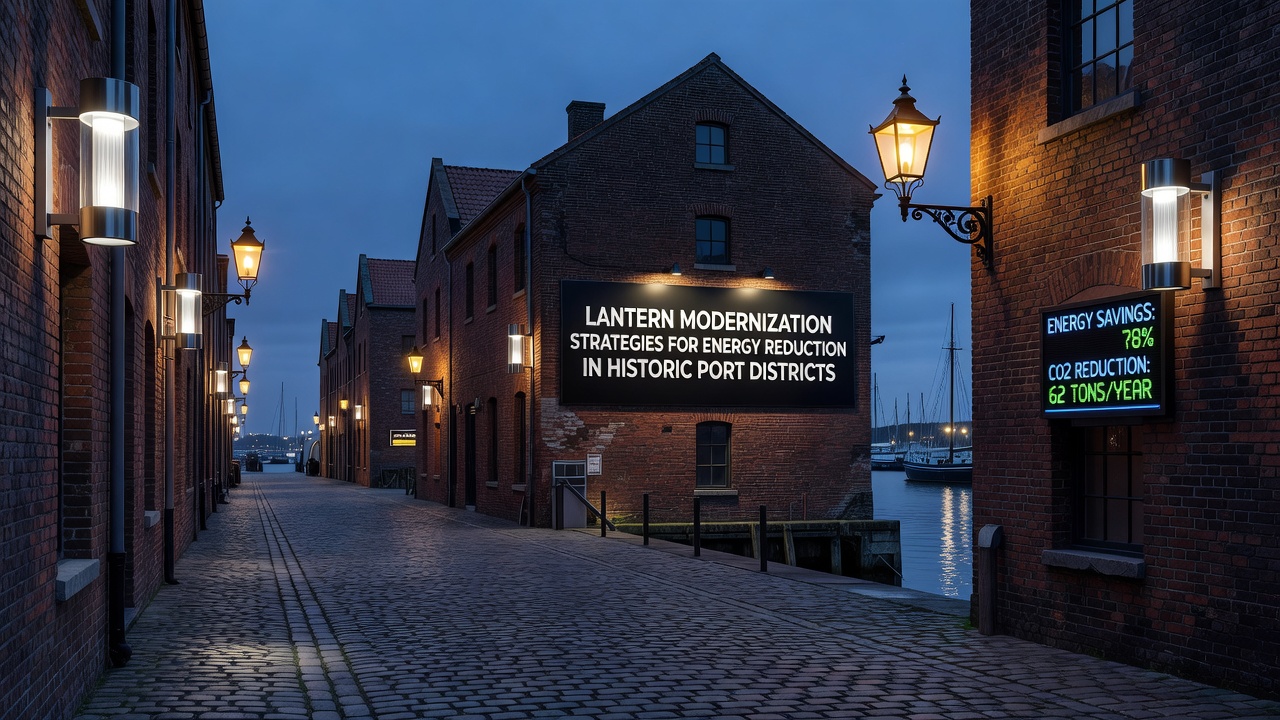
Lantern Modernization Strategies for Energy Reduction in Historic Port Districts
Port districts around the world preserve lantern systems that date back centuries yet these fixtures often consume significant energy through outdated incandescent or high-pressure sodium bulbs. Researchers have documented average consumption rates exceeding 150 watts per unit in many preserved harbor areas while modern alternatives operate below 30 watts with comparable light output. Data from multiple coastal municipalities shows that targeted upgrades reduce overall district lighting loads by 60 to 75 percent without altering the visual character that defines these locations.
Preservation Requirements Shape Technical Choices
Historic review boards enforce strict guidelines on appearance, color temperature, and fixture silhouette, which limits options to drop-in replacements or carefully engineered retrofits rather than wholesale fixture swaps. Studies conducted by heritage agencies in North America and Europe indicate that successful projects begin with detailed photometric mapping to ensure new light sources match original beam patterns and intensity levels. Observers note that lanterns in districts such as Boston's waterfront and Rotterdam's old harbor have undergone iterative testing where engineers adjust LED arrays and optical lenses until both energy metrics and aesthetic approvals align.
Material compatibility presents another constraint because many original housings contain copper, brass, or cast iron that reacts poorly with certain modern components. Specialists therefore specify corrosion-resistant drivers and gaskets rated for marine environments, and they often incorporate thermal breaks to prevent heat transfer that could accelerate metal fatigue. Figures from ongoing monitoring programs reveal that properly sealed retrofits maintain structural integrity for at least fifteen years in salt-air conditions.
Energy Reduction Techniques Currently in Use
LED conversion remains the most widespread approach because it delivers immediate wattage reductions while preserving the lantern's external profile. Municipal records from several U.S. East Coast ports document annual savings of 40,000 to 60,000 kilowatt-hours after replacing 200 historic units. Smart controls add further gains through occupancy sensors and dimming schedules that lower output during low-traffic hours without compromising safety requirements. One district in Vancouver implemented networked controls tied to port authority schedules and recorded an additional 18 percent reduction beyond the LED baseline.
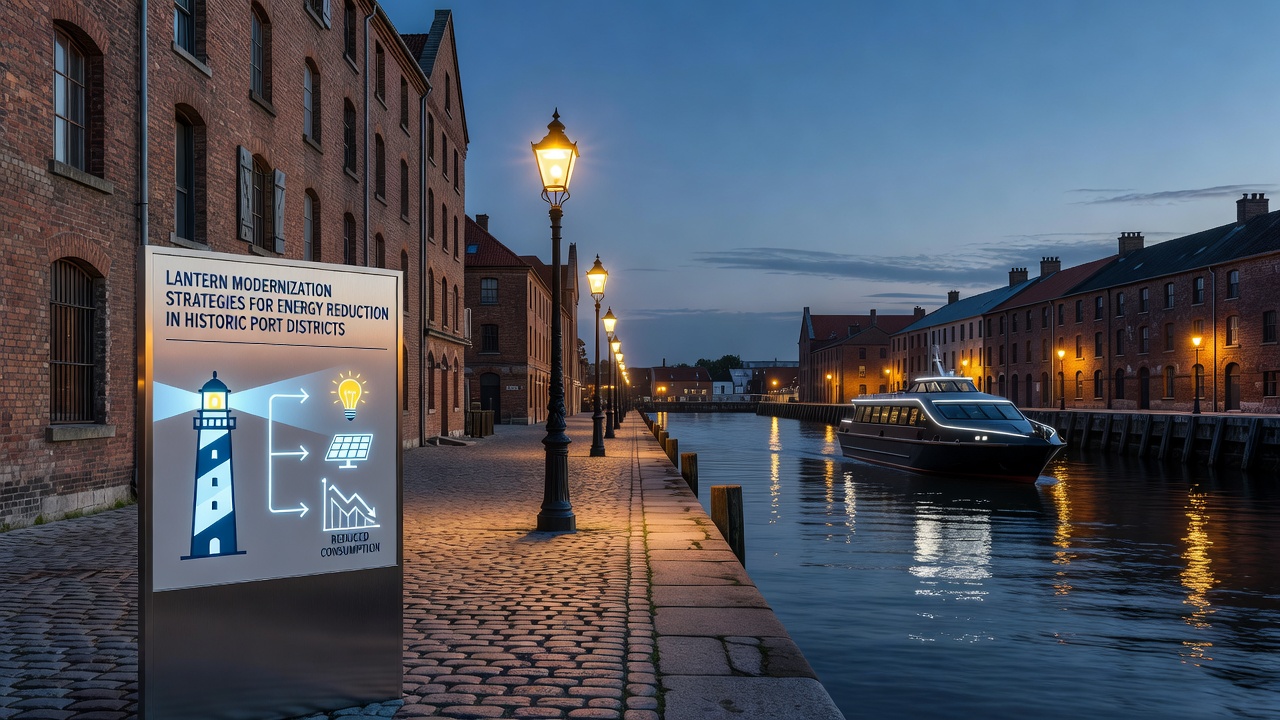
Solar integration appears in locations where grid connections prove costly or where resilience during storms matters. Panels mounted discreetly on adjacent rooftops or pier caps feed batteries housed within modified lantern bases, and systems sized for three consecutive cloudy days now operate reliably in several Australian and Canadian ports. Data collected through 2025 shows these hybrid units cut grid draw by 85 percent on average while meeting local historic commission standards for visual impact.
Implementation Timelines and October 2026 Milestones
Planning cycles for these projects typically span 18 to 24 months because they require coordination among preservation officers, utility companies, and lighting engineers. Several port authorities have aligned major rollout phases with October 2026 to coincide with updated federal energy reporting deadlines and new heritage grant cycles. Project managers in three separate districts report that completing installations before winter weather windows improves commissioning accuracy and reduces weather-related delays.
Training programs for maintenance crews accompany each installation wave. Technicians learn diagnostic procedures specific to sealed LED drivers and sensor calibration, and they receive updated protocols for documenting energy performance that satisfy both historic and utility reporting needs. Evidence from completed projects indicates that ongoing staff knowledge reduces service calls by roughly 30 percent in the first two years after conversion.
Measuring Outcomes Across Multiple Sites
Performance verification relies on sub-metering at the circuit level combined with annual visual inspections. Aggregated results from twelve North American and European port districts demonstrate consistent energy reductions that scale with the number of upgraded fixtures while light levels remain within five percent of pre-retrofit measurements. Cost recovery periods range from four to seven years depending on local electricity rates and available incentive structures.
Collaboration between port operators and academic researchers continues to refine measurement methods. Joint studies track not only kilowatt-hour savings but also reductions in maintenance hours and lamp replacement frequency, providing a fuller picture of operational benefits that extend beyond energy alone.
Conclusion
Lantern modernization in historic port districts combines technical precision with regulatory compliance to achieve measurable energy reductions. Documented strategies such as LED retrofits, sensor integration, and selective solar supplementation deliver consistent results across varied climates and governance structures. As October 2026 approaches, multiple districts prepare to complete upgrades that align with both preservation mandates and contemporary efficiency targets, establishing repeatable models for other waterfront communities facing similar constraints.