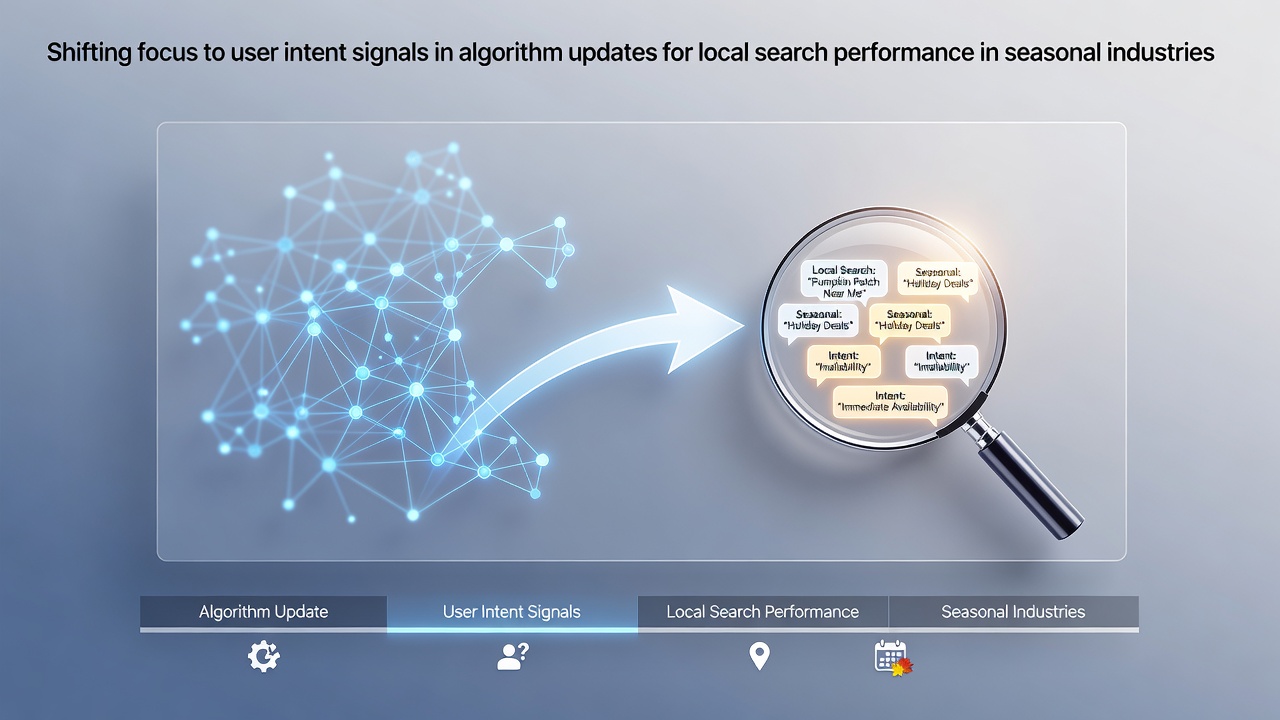
Paul Schulz · 23 September 2026
Shifting Focus to User Intent Signals in Algorithm Updates for Local Search Performance in Seasonal Industries
Search engines have refined their approaches over recent years so that user intent signals receive greater weight during algorithm updates and this shift directly influences how local businesses in seasonal industries appear in results. Seasonal sectors such as tourism, agriculture supply chains, and holiday retail experience predictable demand swings yet their visibility often hinges on how well algorithms interpret queries tied to timing, location, and purpose rather than simple keyword matches alone.
Interpreting Intent Through Query Patterns
Algorithms now parse signals that include click-through rates on maps, dwell time on local listings, and the phrasing of seasonal modifiers like “summer festival near me” or “harvest equipment delivery this fall.” Researchers at institutions tracking digital behavior have documented that these layered indicators help systems distinguish between informational searches and transactional ones which proves critical when peak periods arrive and competition intensifies. Data from government statistical agencies shows that regions with strong seasonal employment patterns, such as coastal communities in Australia, register higher volumes of location-specific queries during shoulder months and algorithms that prioritize intent deliver more relevant local packs during those windows.
Observers note that businesses maintaining consistent profile data across directories see steadier performance because intent models cross-reference reviews, photo uploads, and service updates against historical search trends. When a ski resort updates its page with current snow conditions the system registers that action as a positive intent signal and elevates the listing for users whose past behavior indicates trip-planning activity.
Algorithm Adjustments Through 2026
By September 2026 multiple core updates had incorporated deeper natural language processing layers that weigh contextual modifiers more heavily than broad category terms. These changes affected how local packs form for queries containing time-sensitive language and they produced measurable shifts in impression share for businesses in agriculture and hospitality. Figures from Canadian labor market reports reveal that provinces with pronounced summer tourism cycles recorded increased mobile searches incorporating intent phrases such as “book now” or “availability this weekend” and sites optimized for those patterns captured greater visibility after the updates.
One documented outcome appears in retail clusters where back-to-school promotions overlap with harvest seasons and algorithms began surfacing establishments that matched both geographic proximity and purchase-stage signals simultaneously. External studies from academic groups in Europe have confirmed that pages incorporating structured data for hours, seasonal offerings, and service categories experienced faster re-ranking once intent models activated.
Performance Metrics in Seasonal Contexts
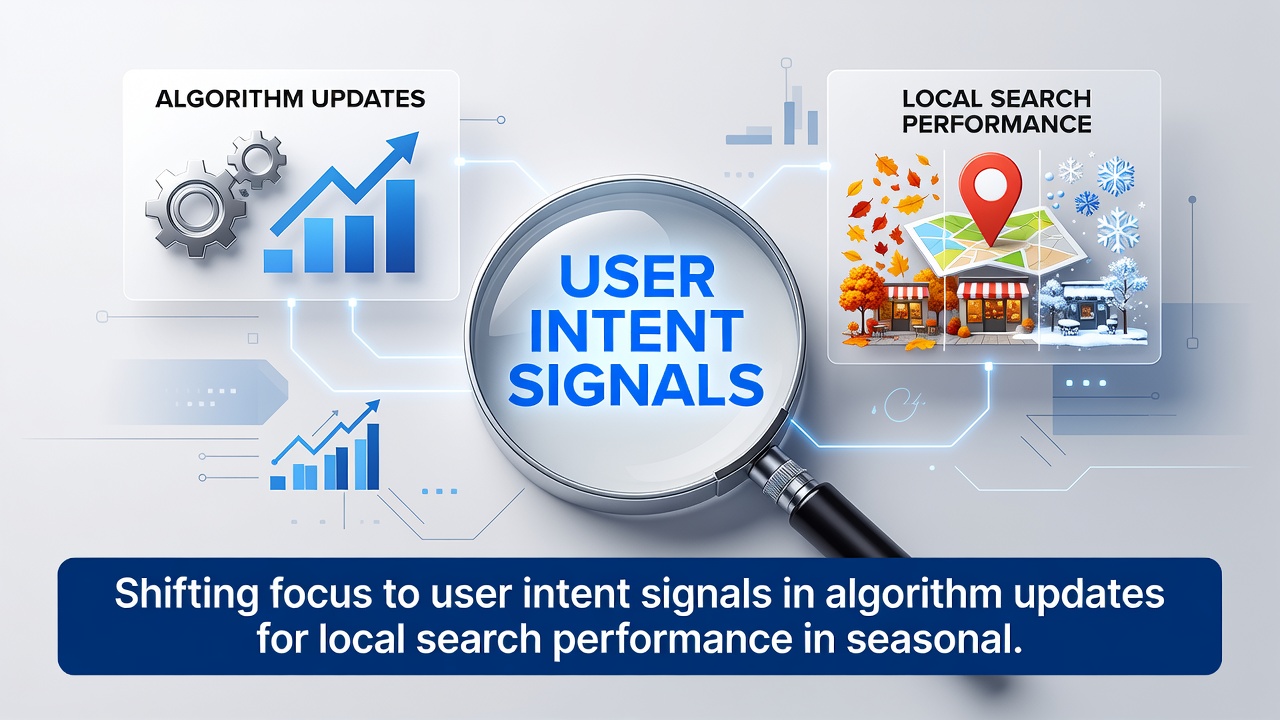
Conversion tracking tools indicate that pages aligned with user intent achieve higher click rates from map results while those relying solely on static keywords see plateaus during off-peak intervals. The Australian Bureau of Statistics publishes quarterly tourism data that correlates search volume spikes with actual visitor arrivals and this alignment helps local operators understand which intent signals precede real bookings. Similarly the Statistics Canada tourism reports track how mobile queries evolve month to month and demonstrate that regions updating their business information ahead of peak periods maintain steadier ranking positions after algorithm refreshes.
Local search performance improves when content addresses the full journey from discovery through decision and seasonal operators who publish timely updates about weather impacts or inventory levels feed positive signals into the system. Those who studied these patterns across multiple cycles find that combining location data with behavioral indicators yields more accurate result sets than location alone ever could.
Conclusion
Algorithm updates continue to emphasize intent signals because they produce result sets that better satisfy the timing and location needs of users in seasonal industries. Businesses that align their profiles, content, and updates with these evolving signals maintain stronger local visibility across fluctuating demand periods while those that ignore intent layers experience inconsistent performance regardless of traditional ranking factors.