Zoe Schmid · 21 October 2026
The Cultural Significance of Traditional Beacon Designs in Shaping Local Folklore Among Fishing Villages Worldwide
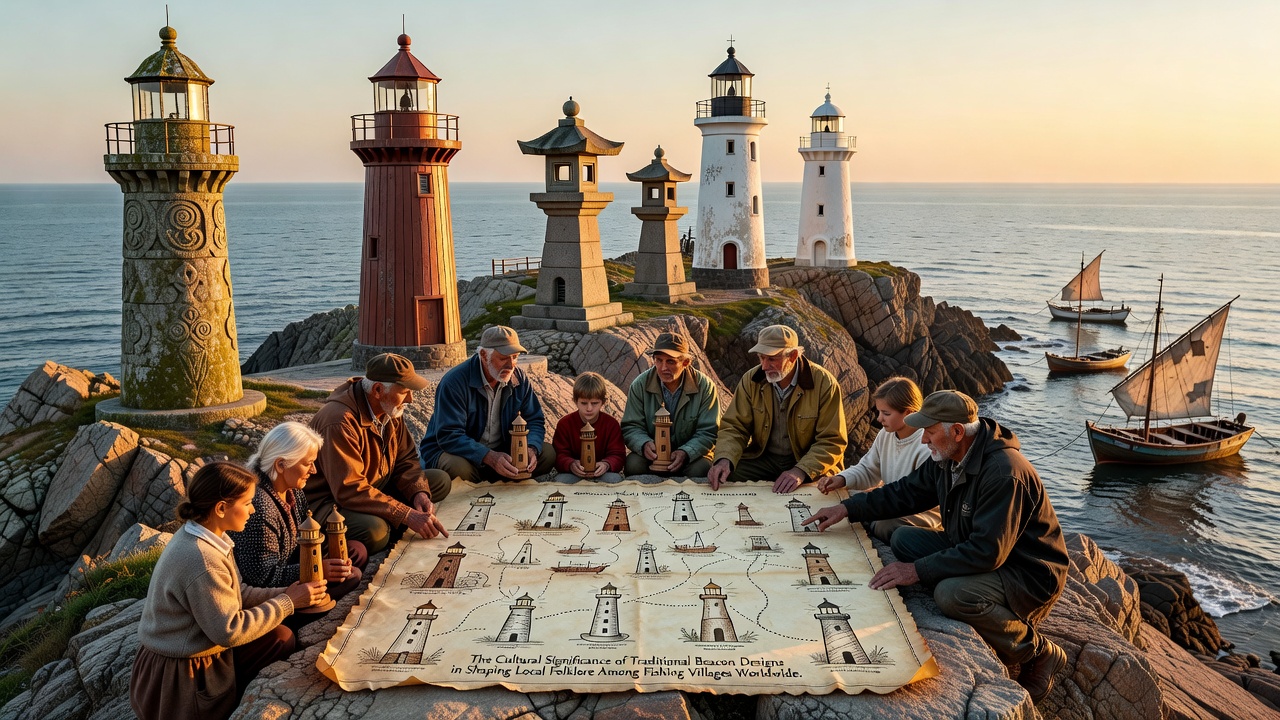
Traditional beacon designs in fishing villages have long served practical navigation roles while embedding themselves deeply into local storytelling traditions across continents, and researchers continue to trace how these structures influence myths that persist in coastal communities today.
Beacon Forms Across Regions
Fishing villages in Norway maintain stone cairns topped with iron baskets that once held burning peat, and these designs appear in tales of protective sea spirits who light the way for worthy sailors while leading others astray during winter storms. Similar cairn structures show up along the coasts of Newfoundland, where community records from the 19th century describe how residents interpreted flickering flames as messages from ancestors guiding cod boats home.
In Southeast Asia, elevated bamboo platforms with resin-soaked torches line the shores of Indonesian fishing hamlets, and anthropologists have recorded oral histories linking these beacons to guardian figures who appear during monsoon seasons to protect against pirate raids. Japanese coastal settlements use stone lanterns carved with wave motifs, and documented legends from the Edo period describe how these lights housed minor deities that rewarded diligent fishermen with abundant catches when maintained properly.
Folklore Patterns and Transmission
Observers note recurring motifs where beacon designs embody dual purposes of guidance and warning, and studies from maritime heritage groups show these patterns repeat in regions separated by vast distances, suggesting parallel cultural adaptations rather than direct exchange. In West African fishing communities near the Gulf of Guinea, conical mud beacons decorated with shell patterns feature in stories of shape-shifting ancestors who signal safe passage during seasonal migrations of fish stocks.
Canadian researchers working with First Nations groups along the Pacific Northwest have catalogued how totem-style beacon poles incorporate carvings of ravens and orcas, and these elements appear in winter storytelling sessions that explain tidal changes and storm behaviors to younger generations. The designs themselves often incorporate local materials, such as driftwood in Alaska or coral in the Maldives, which reinforces connections between the physical environment and narrative traditions.
Modern Documentation Efforts
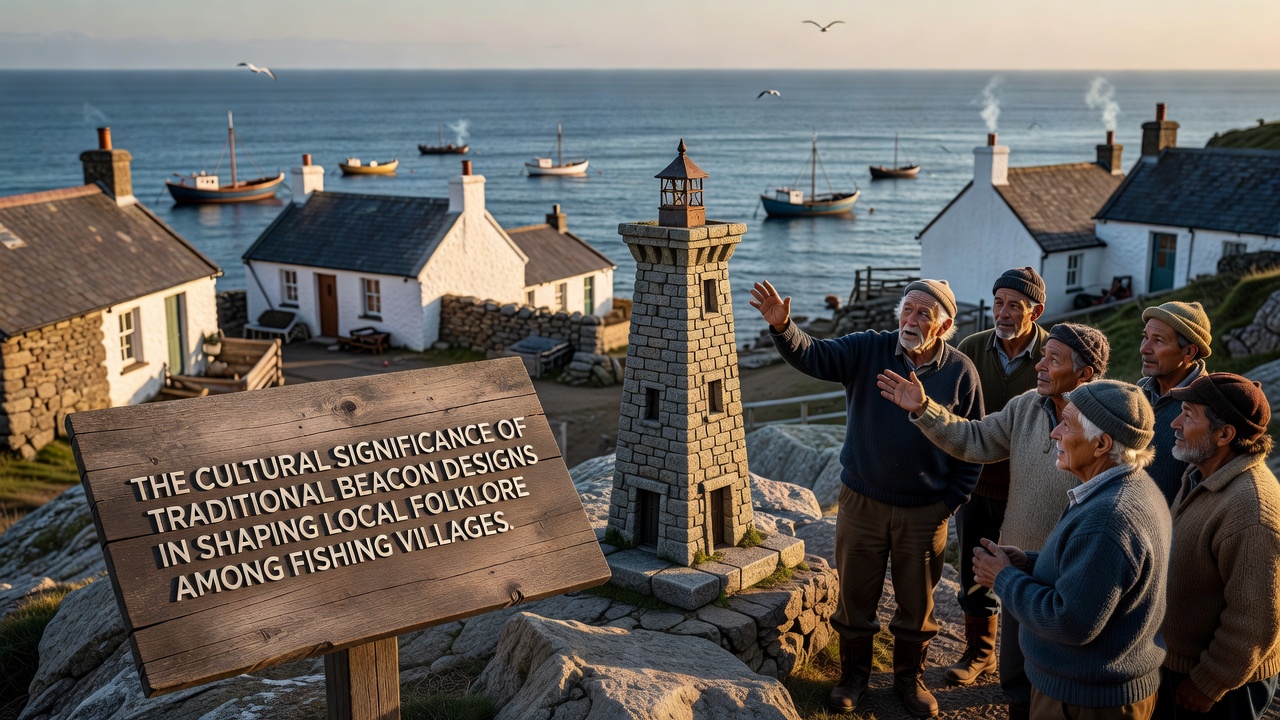
Academic projects in Australia have examined how Aboriginal coastal groups integrate beacon fires into Dreamtime accounts that describe the creation of safe harbors, and data collected through oral history programs reveal consistent references to specific flame heights and colors that correspond to real weather indicators. European maritime archives contain sketches of beacon variations used in Portugal and Greece, where villagers associated certain geometric patterns with saints who intervened during shipwrecks.
What's interesting is how these designs continue to inform contemporary festivals, and records indicate that in October 2026 several Scandinavian villages plan coordinated events to reconstruct historical beacon lighting ceremonies as part of broader heritage documentation initiatives supported by regional cultural agencies. Such activities allow communities to record variations in construction techniques before older knowledge holders pass away.
Material Choices and Symbolic Layers
Material selection plays a documented role in folklore development, and case studies from the Philippines show that iron versus wood beacon frames correlate with different spirit classifications in local myths, where metal versions attract stories of unyielding protectors and wooden ones feature in tales of temporary visitors from the sea. South American fishing enclaves along the Chilean coast maintain reed-based signal towers whose weaving patterns mirror those found in textile traditions, and ethnographers have mapped how these shared motifs appear in origin stories about the first safe landings after long voyages.
Transmission of these stories often occurs through seasonal gatherings when fishing activity slows, and field notes from multiple research teams confirm that beacon-related legends serve educational functions by encoding navigation knowledge and social norms within entertaining frameworks. Government heritage programs in New Zealand have supported mapping projects that link Maori beacon sites to specific genealogical narratives still recited in marae settings.
Conclusion
Traditional beacon designs continue to function as anchors for folklore in fishing villages worldwide, and ongoing documentation efforts reveal consistent mechanisms through which physical structures acquire narrative significance across diverse cultural contexts. The interplay between practical construction methods and symbolic storytelling demonstrates how communities preserve environmental knowledge through generations, with regional variations reflecting both local resources and historical experiences at sea.